

Something extraordinary is unfolding
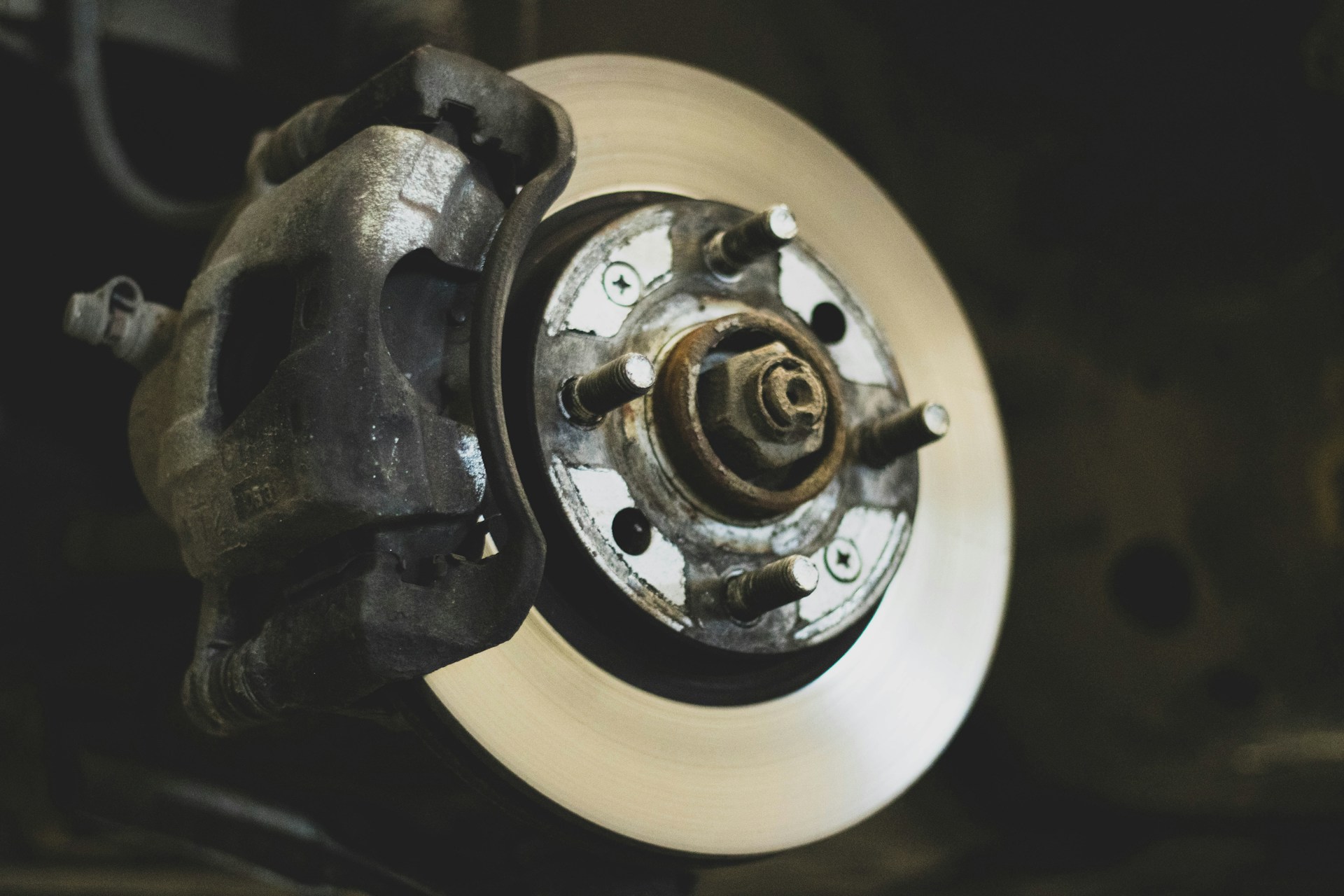
Brake issues don’t always pop up out of nowhere. They tend to send little warnings along the way, and catching those early signs can save you from major repairs or dangerous situations later. Whether you’re commuting through Queens or heading out for a weekend drive, knowing when your brakes are trying to tell you something is important.
Safe driving depends heavily on how your brakes perform. If they start acting up, it can put you and everyone else on the road at risk. Summer traffic, especially around the city, demands fast response times, and that includes stopping when you need to. The good news is your car usually gives you hints before the brakes really fail. You just need to know what to look or listen for.
Understanding The Importance Of Brake Maintenance
Your brakes are always working in the background, but most people only notice them when something feels off. Still, even before they’re completely worn out, brakes can begin to show signs of trouble. Letting it go for too long could mean more expensive repairs or the risk of losing brake power when you really need it.
Brake maintenance isn’t just about preventing breakdowns. It’s about making sure your car handles the way it’s supposed to. Everything from quick stops at red lights to slowing down over potholes counts on a reliable braking system. Faulty brakes can affect other systems in your car too, like your tires and suspension. Keeping up with inspections and small fixes makes a big difference in how smooth and safe your ride is.
One way to stay ahead of problems is to pay attention to your driving habits. If you often deal with heavy stop-and-go traffic or drive through hilly areas, your brakes could wear down quicker. Checking your brakes between regular service appointments can help catch issues early.
Think of brake maintenance like staying on top of that junk drawer at home. Letting things pile up makes the task overwhelming later. But dealing with it regularly makes things easier and smoother.
Unusual Noises
Hearing odd sounds when you brake? That’s usually the first sign something is going wrong.
Some of the most common noises include:
- Squealing or screeching: This usually means worn-out brake pads. Brake pads come with wear indicators that make noise when they’ve thinned out.
- Grinding: This one is more serious. It often means the brake pad material has worn down completely, and the metal parts in your braking system are rubbing together. That can damage your rotors, which are more expensive to replace.
- Clicking or rattling: Loose or misaligned parts in the brake assembly can cause clicking sounds. This might happen if a brake pad shifts inside its housing or if a piece is not properly fastened.
These noises usually get louder over time and may be followed by changes in how your car stops. You might feel it start to pull to one side or notice that it takes longer to come to a complete stop. Don’t ignore the sounds, even if they seem minor at first. Addressing them early often prevents repairs that are more complicated later.
One example is a driver who heard a faint squeal every morning on the way to work. It felt minor, so they brushed it off. But within a few weeks, the squeal became a loud grind, and the brakes pulsed underfoot. A quick pad swap early on could have avoided the rotor damage that came next.
If your car starts talking when you use the brakes, it’s probably time to listen.
Vibrations Or Pulsations
If pressing the brake pedal feels like riding over a rough patch, it may signal another issue. This shaky sensation, often called pulsation, usually points to brake rotors that are warped or uneven. These issues can happen from overheating, prolonged heavy braking, or general wear and tear.
When this happens, vibration often travels from the pedal to the steering wheel. That throws off your driving experience and can increase stopping time. It’s more than just annoying. If the root cause is ignored, the damage could spread, lowering the performance of your braking system overall.
Imagine spinning a bike tire with a bent rim. It wobbles and never spins quite right. Brake rotors work the same way. If their surface isn’t smooth and even, your brakes can’t get the grip they need for safe stopping.
The good news is that vibrations are easy to notice and often mean it’s time for a simple rotor adjustment or replacement. Catch it early and avoid more serious wear.
Reduced Responsiveness
Does it feel like your brakes need a harder push than usual? If stopping your INFINITI takes longer or feels off, that can point to reduced brake responsiveness.
One of the more common culprits is low or leaking brake fluid. Since most brake systems use hydraulic pressure to function, the system relies on fluid at the right level. If it gets too low or spills out from a leak, your brakes can feel soft or spongy.
Reduced responsiveness doesn’t always show up all at once. Sometimes it builds up gradually. But the danger is the same. In a sudden stop or emergency, a delay in braking can have serious consequences.
Think about driving through busy city streets in Queens. If the car in front of you slams their brakes, your ability to stop quickly is your biggest safety net. When brakes don’t respond right away, everyone in and around the car is at greater risk.
Any change in pedal feel or stopping distance means it’s time to bring your vehicle in for inspection.
Warning Lights And Leaking Fluids
Dashboard lights are more than a helpful reminder. They are warning signals your vehicle uses to speak up when there’s a problem.
If the brake warning light switches on, don’t overlook it. This light can activate for different reasons. It might mean your brake pads are too thin, your fluid level is low, or there is trouble with the ABS system.
You should also check for wet areas under your vehicle or around the wheels. Brake fluid has a slippery, almost oily texture and a light color. If you see a puddle or even a few drops where your car was just parked, that’s something to take seriously.
Watch for:
1. A brake warning light glowing on the dashboard
2. Brake fluid spots on the ground beneath the car
3. A noticeable dip in brake fluid when checking under the hood
Ignoring these signs can lead to bigger problems. A low fluid level might mean losing braking strength altogether. It’s always safer to have a technician take a closer look when any of these signs appear.
Protect Yourself and Your Ride with Regular Checks
Staying on top of brake health isn’t just good car care. It’s key to making sure every trip is safe, whether you’re running errands or headed out of town for the weekend.
Routine brake inspections help spot issues before they grow into expensive repairs or unsafe conditions. Brakes are one of the parts of your vehicle you never want to second-guess. When they’re in good shape, your INFINITI responds how it should, and you drive with confidence.
Busy traffic patterns in Queens or frequent short trips mean the braking system works harder than you might think. That’s even more reason to check in often with a professional. Your car will thank you with smoother stops and better handling.
Building a habit of timely checks doesn’t take a lot of effort, and the payoff is big. You’ll dodge unwanted surprises and extend the life of one of your car’s most important systems. Whether it’s weird sounds, odd sensations, or a sudden warning light, get ahead of the issue before it puts a dent in your day.
Staying ahead with regular brake checks helps you steer clear of surprises on the road and ensures your vehicle runs smoothly. If you’re also in the market for a new ride, explore our current selection of INFINITI cars for sale at INFINITI City of Queens. We’re here to provide not just quality vehicles but also peace of mind on every drive in Queens and beyond.
Connect with us

